Chuburna Puerto Beach Conditions Today
✅ Why Chuburna Stays Clean While Riviera Maya Struggles
Chuburna Puerto faces the Gulf of Mexico on the northwest coast of the Yucatan Peninsula: completely outside the Atlantic sargassum drift path that hits Cancun, Playa del Carmen, and Tulum. Even when the Caribbean side is covered in seaweed, the Gulf-facing Yucatan coast stays clean. This is the same reason Cabo San Lucas stays sargassum-free: geography matters more than distance.
About Chuburna Puerto
Water conditions are excellent today with no sargassum detected and clear water. A good day to be on the beach.
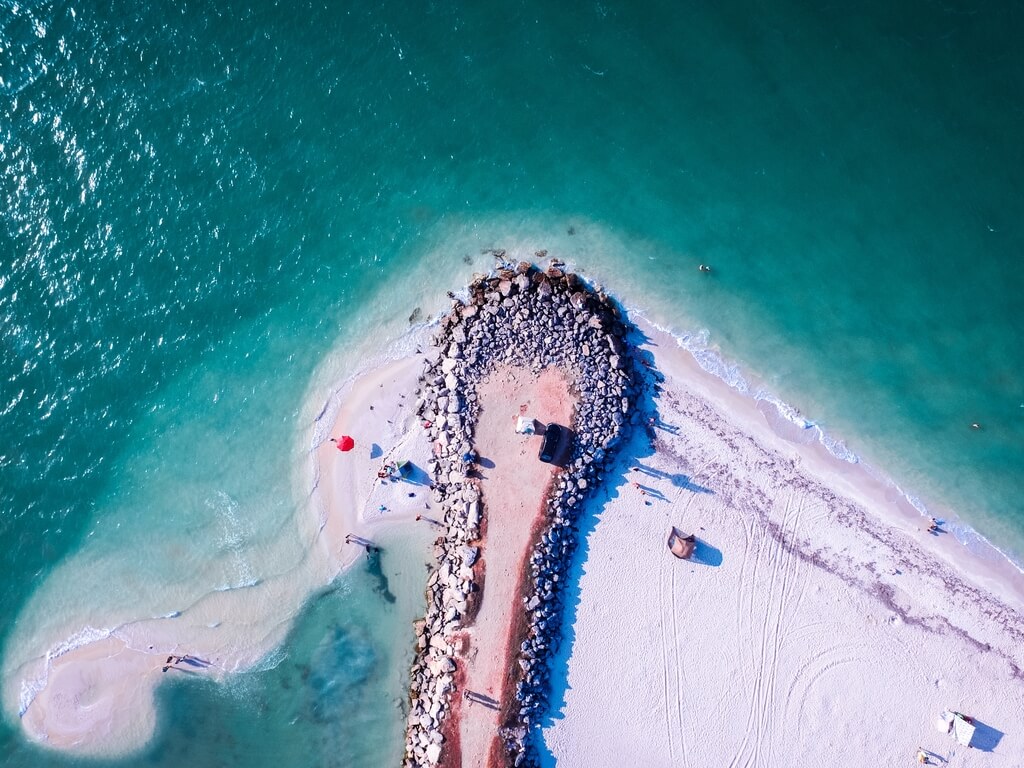
The beach itself is wide and natural, with calm warm Gulf water, gentle waves, and none of the resort development that crowds the Caribbean coast. The atmosphere is genuinely local: you're far more likely to find Yucatan families on a Sunday outing than international tourists. For travelers staying in Merida who want a beach day without the sargassum gamble, Chuburna is the answer.
🏙️ Merida + Chuburna: The Perfect Day
Merida is one of Mexico's great colonial cities: extraordinary food scene, vibrant markets, excellent museums, and beautifully preserved Spanish colonial architecture. It's also one of the safest large cities in Mexico. Combining a Merida cultural experience with a Chuburna beach day gives you the best of Yucatan without ever touching the sargassum-plagued Caribbean coast.
Other Gulf-facing villages worth combining: Sisal (fishing village with quieter beach, 45 min from Merida), Progreso (the main Merida beach town, more developed, large pier, good restaurants), and Celestun (45 min further, world-famous flamingo reserve with thousands of pink flamingos visible by boat).
Coastal History & Local Facts
Chuburna Puerto has been shaped by the same forces that define many great coastal places: tides, storms, fishing routes, local settlement, tourism, and the steady movement of sand along the shore. Its beach identity comes from both natural geography and the generations of residents, travelers, fishers, boaters, and beach communities who used the shoreline before it became a modern vacation destination.
For beach planning, that history still matters. Older coastal towns often grew around harbors, reefs, passes, or protected bays, while resort beaches developed around easier swimming access, wider sand, and reliable views of the sea. Reading the beach through that lens helps explain why water clarity, surf exposure, seaweed, access points, and crowd patterns can change so much from one destination to the next.
"Which made heaven, and earth, the sea, and all that therein is.": Psalm 146:6