Macao Beach Conditions Today
About Macao Beach
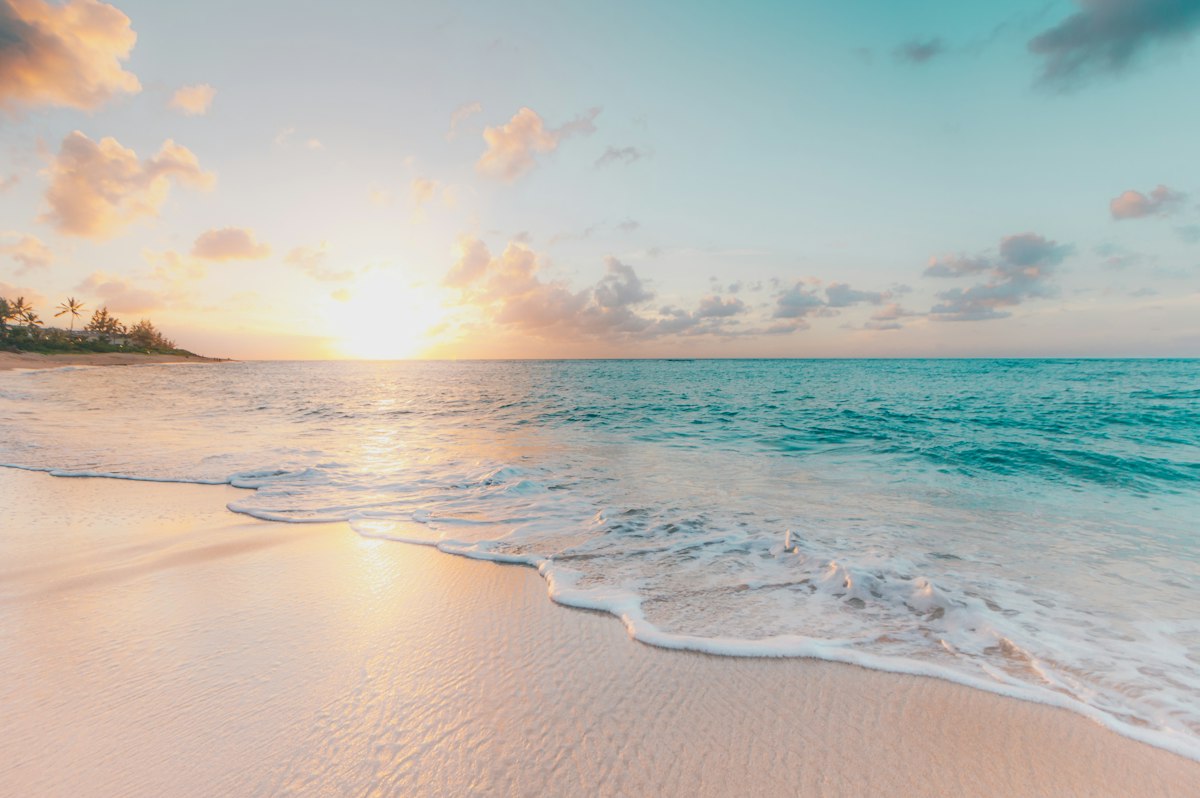
Conditions are good today. Seaweed levels are low and the water is clear. No significant concerns.
For sargassum, Macao consistently performs better than Bávaro and Arena Gorda. Ocean currents at Macao push floating seaweed away from the shoreline faster. That said, it's still Atlantic-facing with no reef protection: during peak sargassum season (June–September) it can see moderate accumulation, and without major resort cleanup crews, what washes up tends to stay longer.
Sargassum at Macao: What to Expect
Multiple independent sources: including Sargassum Monitoring, CARICOOS, and travel sites tracking the DR: consistently list Macao as one of the cleaner Punta Cana-area beaches. The beach faces northeast rather than due east, and the local current pattern deflects some of the Atlantic sargassum drift that hits the main Bávaro resort strip. Some of what washes ashore at Macao is native seagrass (Posidonia), not sargassum: lighter in colour, smaller in volume, and much less of an issue in the water.
June through September is still peak season and Macao is not immune. The difference is degree: on a bad sargassum day in Bávaro, Macao may see light-to-moderate accumulation. On a clear day at Bávaro, Macao is likely clean. It's the safest general bet for clear water near Punta Cana without driving all the way to Samaná.
Best Time to Visit Macao Beach
December through April is the window. January through March offers the most reliable combination of low sargassum, dry weather, and warm water (79–82°F). May is a transition month: still often clean but the risk starts rising. For surfers, June through September can produce the best waves even as sargassum peaks. October and November carry some hurricane risk but are often the quietest, least-crowded months if you get lucky with weather.
📜 Coastal History
The Macao area sits within the ancestral territory of the Taíno people, the indigenous Arawakan-speaking population who inhabited Hispaniola before European contact. The Taíno named the island Ayiti ("land of high mountains") and Quisqueya ("mother of all lands"): both names survive today in Haiti and in Dominican cultural identity. Columbus made landfall on the north coast of Hispaniola in December 1492. The Spanish established La Navidad, the first European settlement in the Americas, near present-day Cap-Haïtien. The northeastern coast around Macao remained relatively undeveloped through the colonial period due to its exposure to Atlantic hurricanes and the lack of a protected harbour. The area north of Punta Cana began large-scale tourism development only in the 1990s and 2000s. Macao was preserved as a public beach: technically Crown Land: which is why no all-inclusive resort was ever permitted directly on the sand, keeping it one of the last wild public beaches in an otherwise heavily developed resort corridor.
"He turned the sea into dry land: they went through the flood on foot.": Psalm 66:6See All Caribbean Beach Conditions
Live sargassum levels, water quality, and travel guides for 130+ destinations worldwide.
View Live Conditions →