Sharm El Sheikh Beach Conditions
Red Sea Water Temperature by Month
Why Sharm Ranked #2 Globally for Swimmable Seas
Conditions are good today. Seaweed levels are low and the water is clear. No significant concerns.
The reason comes down to the Red Sea's unique geography. The sea is essentially a long, narrow enclosed body of water: minimal wave action, near-zero currents in sheltered bays, and warm temperatures held stable by the surrounding desert. Sharm benefits from Naama Bay's natural shelter and over 330 sunny days per year with almost no rainfall.
Diving at Sharm El Sheikh
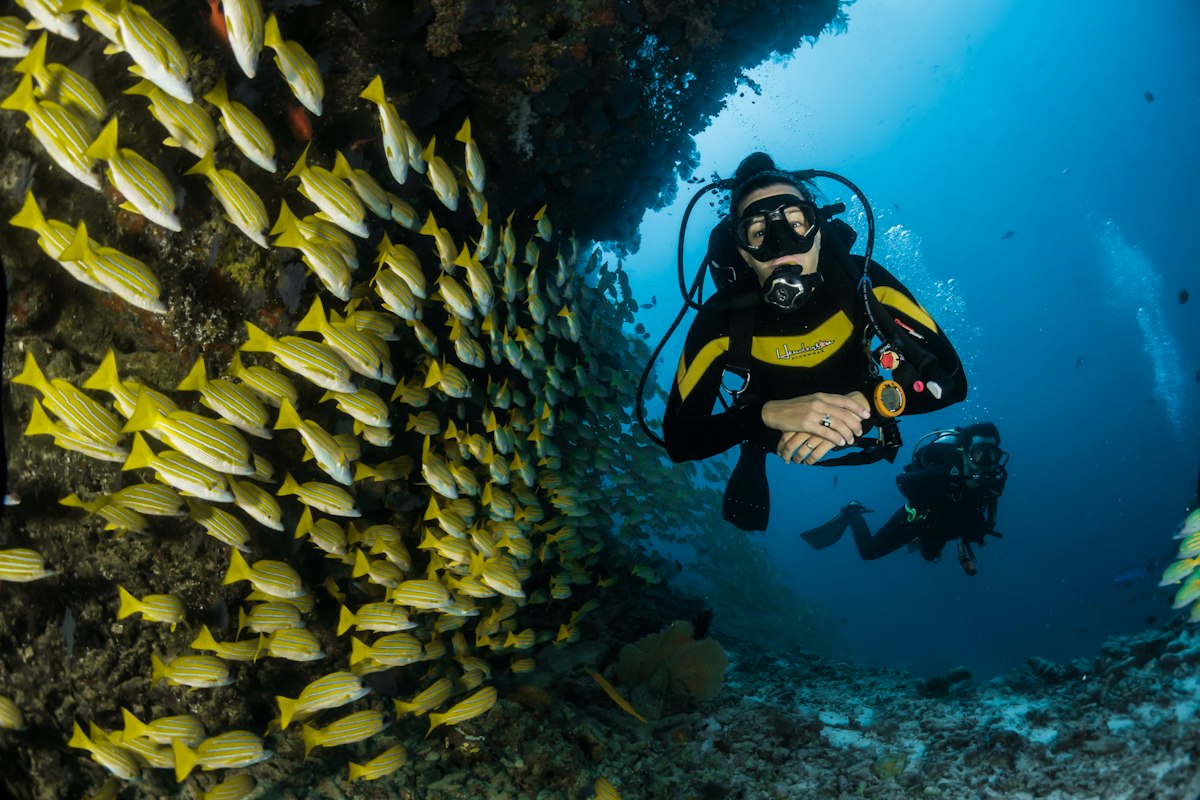
Sharm El Sheikh sits at the entrance to the Gulf of Aqaba, with Ras Mohammed National Park: one of the world's premier dive destinations: on its doorstep. The park protects some of the most pristine coral walls in the world, with fish species densities that rival anywhere on earth.
The SS Thistlegorm wreck is the headline act: a British WWII cargo ship sunk by German bombers in 1941 and now encrusted with decades of coral growth. Motorbikes, train carriages, and military equipment are preserved in the hold. It's a 90-minute boat ride from Sharm and consistently rated one of the world's top 10 dives. Shark Reef, Ras Nasrani, Jackfish Alley, and the Blue Hole at nearby Dahab complete a world-class dive itinerary.
Beyond the Reef
Naama Bay is the sheltered main resort strip: pedestrianised, calm, and lined with hotels and restaurants. It's excellent for non-divers too: the bay is shallow and calm enough for children, and glass-bottom boats run regularly for those who prefer to stay dry.
St. Catherine's Monastery and Mount Sinai (a 3-hour predawn hike for sunrise over the desert and Red Sea) is one of the most profound day trips in the Middle East. Dahab, an hour north, is the laid-back alternative: world-famous for the Blue Hole freediving site and a relaxed beach cafe scene.
📜 The Red Sea Through History
The Red Sea has been one of the world's most important maritime trade routes for over 3,000 years: connecting the Mediterranean world to the Indian Ocean spice trade via the ancient port of Berenice and later the Suez Canal. The Sinai Peninsula, where Sharm El Sheikh sits, was a contested desert borderland between Egyptian, Ottoman, and British empires for centuries before becoming Egyptian territory. Modern Sharm El Sheikh was developed as a resort in the 1980s after the Sinai was returned to Egypt following the 1979 peace treaty with Israel. The Red Sea's extraordinary coral reefs: which survived relatively intact through centuries of maritime traffic: were first formally studied by Jacques Cousteau, who filmed here in the 1950s. The Strait of Tiran, visible from Sharm, was the flashpoint for the 1967 Six-Day War when Egypt blockaded Israeli shipping through these waters.
"The sea is his, and he made it: and his hands formed the dry land.": Psalm 95:5See All Global Beach Conditions
Live conditions, water quality, and travel guides for 100+ beach destinations worldwide.
View Live Conditions →