Gili Trawangan Beach Conditions
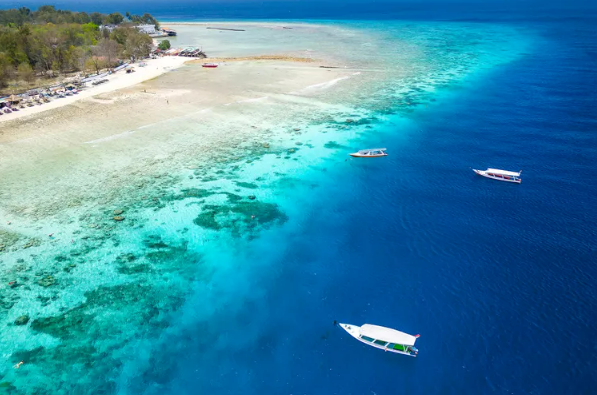
Why Gili Trawangan Is #1 for Swimming
Conditions are good today. Seaweed levels are low and the water is clear. No significant concerns.
The reason is straightforward: the island sits in the warm, protected Lombok Strait between Bali and Lombok in Indonesia's Lesser Sunda Islands. Water temperatures stay between 28–30°C year-round with minimal seasonal variation. The island's geography: small, relatively flat, surrounded by reef: creates calm, sheltered swimming conditions even during Indonesia's wetter months.
The Sea Turtles
Gili Trawangan has one of the highest densities of wild sea turtles in Indonesia. Green turtles and hawksbill turtles are routinely seen while snorkeling directly off the beach: no boat trip required. Turtle Point on the northeast corner of the island is the most reliable spot, but encounters happen all around the island. The local Gili Eco Trust monitors nesting sites and runs conservation programs open to visitors.
Snorkeling & Diving
The Gili Islands sit within the Coral Triangle: the most biodiverse marine ecosystem on earth, stretching across Indonesia, Malaysia, and the Philippines. Snorkeling from the beach reveals healthy hard coral gardens, abundant reef fish, and the turtles. Top dive sites include Shark Point (white- and black-tip reef sharks), the Japanese Wreck (a World War II vessel now encrusted in coral), and the underwater NEST sculpture garden: an installation of concrete figures colonised by reef life.
Freediving has exploded in popularity on Gili Trawangan. Freedive Gili is one of Asia's top schools. The warm, clear, calm water makes it an ideal environment for breath-hold diving.
Island Life
Gili Trawangan is entirely car and motorbike free: the only motorised transport prohibited island of its kind in Indonesia. Getting around is by cidomo (a traditional horse-drawn cart), bicycle, or on foot. The west-facing beach at sunset is the island's social heartbeat: wooden swings built over the shallows, cold Bintang beers, and the volcanic silhouette of Mount Rinjani on Lombok glowing across the water.
The two quieter sister islands: Gili Meno (the most romantic, near-deserted) and Gili Air (the laid-back middle ground): are reachable by a short local boat. All three offer snorkeling and turtles; Trawangan is the most social.
📜 Island History
The Gili Islands were largely uninhabited until the early 20th century, when Bugis and Sasak fishermen from Lombok began settling the islands as seasonal fishing grounds. The name "Gili" simply means "small island" in the Sasak language of Lombok. Gili Trawangan: the largest of the three: was used as a place of exile by the Dutch colonial government in the 1890s and early 1900s, and briefly as a forced labour camp for Balinese political prisoners. Tourism began in the 1980s when the first backpackers discovered the near-deserted islands with their extraordinary water clarity. Today the island hosts hundreds of thousands of visitors annually while remaining motor-vehicle free: one of the world's rare examples of mass tourism coexisting with a genuine no-roads policy.
"Let the heaven and earth praise him, the seas, and every thing that moveth therein.": Psalm 69:34See All Global Beach Conditions
Live conditions, water quality, and travel guides for 100+ beach destinations worldwide.
View Live Conditions →